
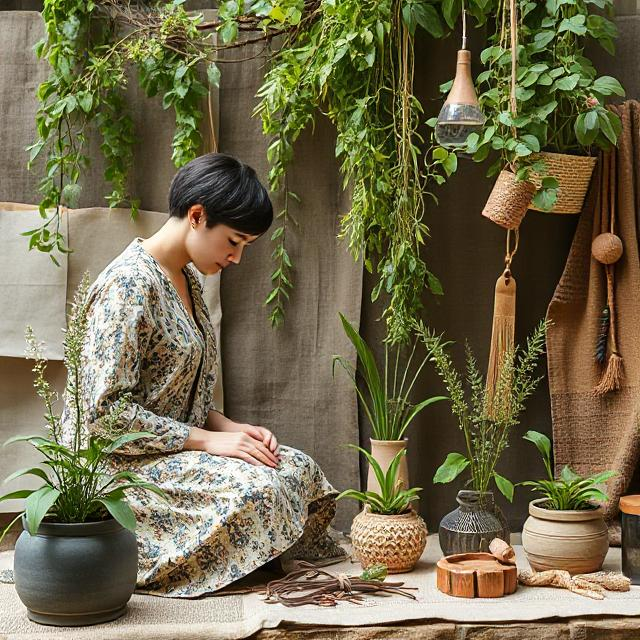
As the global conversation around sustainability intensifies, industries across the board are reevaluating their practices and philosophies. Fashion and crafts, in particular, face unique challenges and opportunities in adopting sustainable design thinking. This approach not only addresses the environmental and social impacts of production but also redefines the very essence of creativity and craftsmanship.
Understanding Sustainable Design Thinking
Sustainable design thinking is an iterative process that integrates sustainability principles into every stage of design, from conception to production and beyond. It emphasizes a holistic view, considering environmental, social, and economic factors. In the realms of fashion and crafts, this approach challenges designers to rethink materials, methods, and the lifecycle of products.
The Importance of Sustainability in Fashion and Crafts
The fashion industry is notorious for its environmental footprint. Fast fashion, characterized by rapid production cycles and disposable clothing, contributes significantly to waste, pollution, and resource depletion. Similarly, the crafts sector, though often associated with artisanal values, is not immune to unsustainable practices, especially as it scales.
Embracing sustainable design thinking can lead to:
- Reduced Environmental Impact: By prioritizing eco-friendly materials and processes, designers can significantly decrease their carbon footprint. This includes utilizing organic fabrics, recycled materials, and low-impact dyes.
- Social Responsibility: Sustainable design promotes fair labor practices and supports local artisans, helping to preserve traditional crafts while ensuring fair wages and working conditions.
- Consumer Awareness and Engagement: As consumers become more environmentally conscious, they are increasingly drawn to brands that embody sustainability. Transparent practices can foster trust and loyalty.
- Innovation and Creativity: The constraints of sustainable design can spur creativity, leading to innovative solutions that push the boundaries of traditional design.
Key Principles of Sustainable Design Thinking in Fashion and Crafts
- Material Selection: Opting for sustainable materials, such as organic cotton, Tencel, and upcycled fabrics, is crucial. Designers should also consider the environmental impact of synthetic materials and strive to minimize their use.
- Lifecycle Thinking: Designers should consider the entire lifecycle of a product—from sourcing and manufacturing to usage and disposal. This involves creating designs that are durable, repairable, and recyclable.
- Minimalism and Timeless Design: Moving away from trend-driven designs towards timeless pieces can help combat the cycle of fast fashion. Minimalism promotes fewer, high-quality products that stand the test of time.
- Collaboration and Community Engagement: Engaging with local communities and artisans fosters collaboration and enhances the social aspect of sustainability. This can include co-designing products that reflect cultural heritage and promote local craftsmanship.
- Education and Transparency: Educating consumers about sustainable practices and the impact of their choices empowers them to make informed decisions. Brands should be transparent about their processes and the sustainability of their products.