
Location
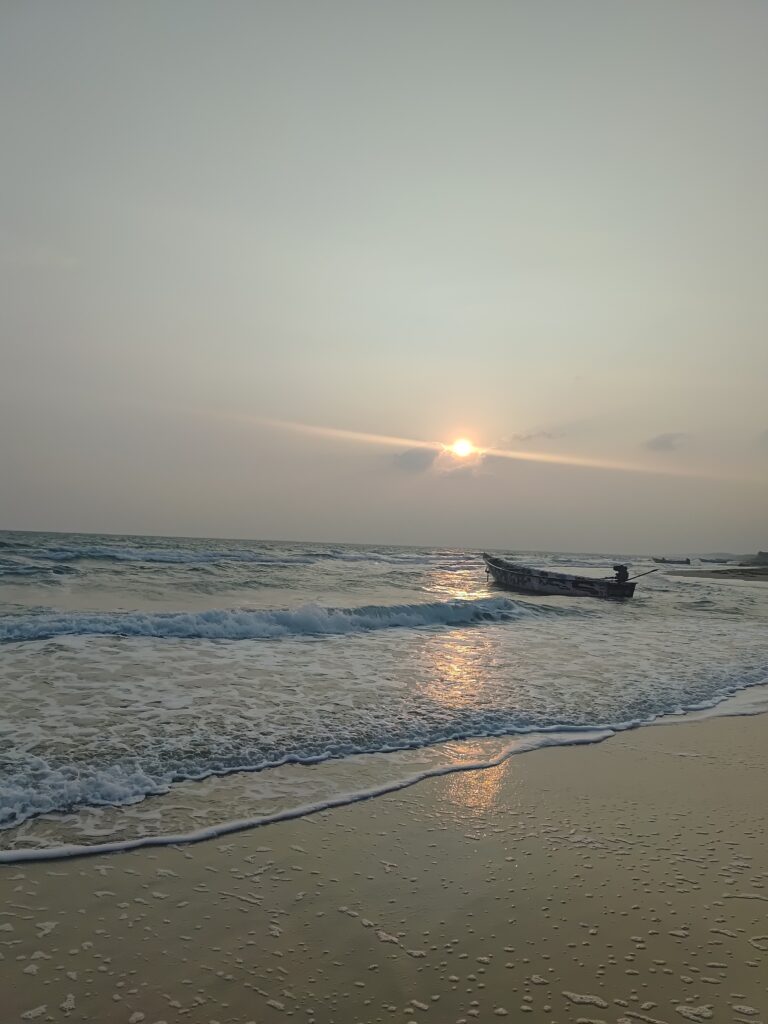
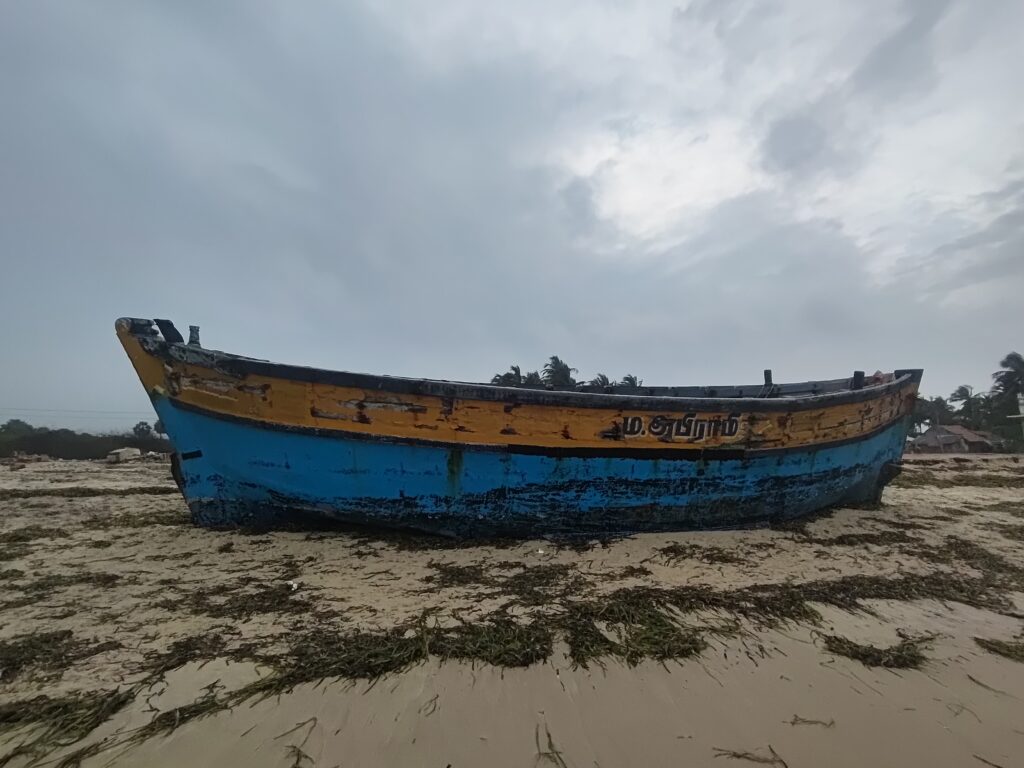
Uchippuli is a small coastal village located in the Ramanathapuram district of Tamil Nadu, near the famous pilgrimage town of Rameswaram. Positioned along the Bay of Bengal, the village enjoys a unique geographical setting where the sea, sandy shores, and palm groves define everyday life. The climate is typically warm and humid, with strong coastal winds shaping both the landscape and local livelihoods.
Coastal Life and Community
Life in Uchippuli revolves around the rhythm of the sea. The sound of waves, the sight of fishing boats, and the salty breeze are integral to daily living. The community shares a close-knit social structure, where traditions, festivals, and shared labor strengthen bonds among families.
The coastal environment influences not only occupations but also food habits, housing styles, and cultural practices. Simple homes, often built with locally available materials, reflect both practicality and adaptation to coastal conditions.
Fishermen and Livelihood
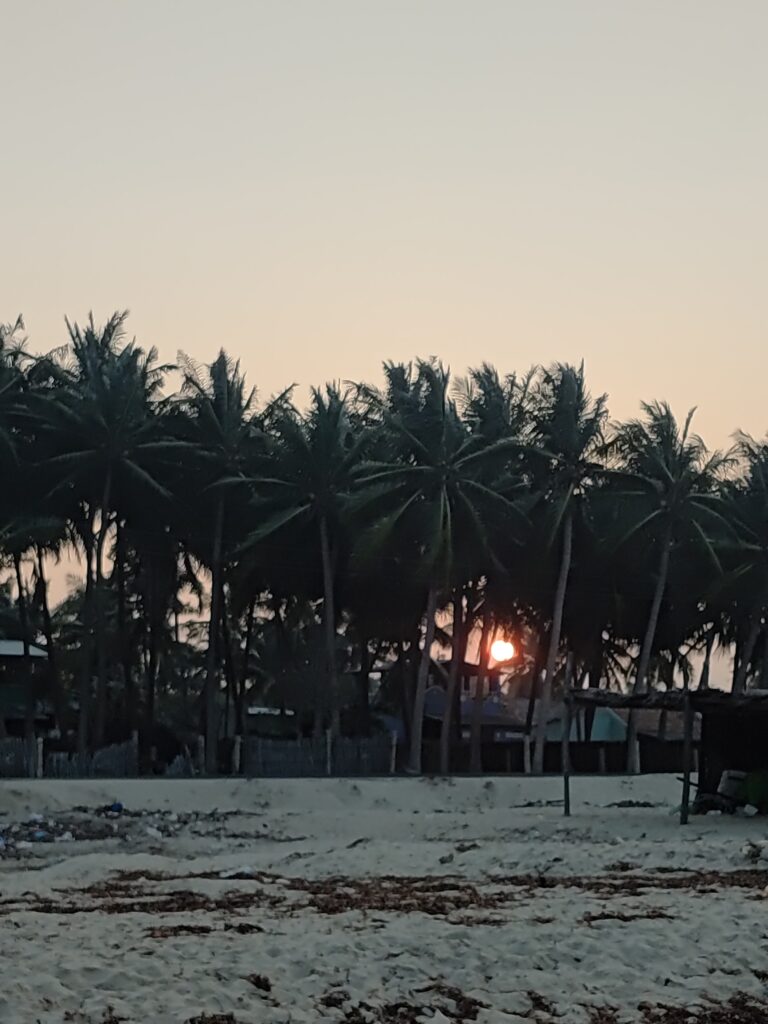
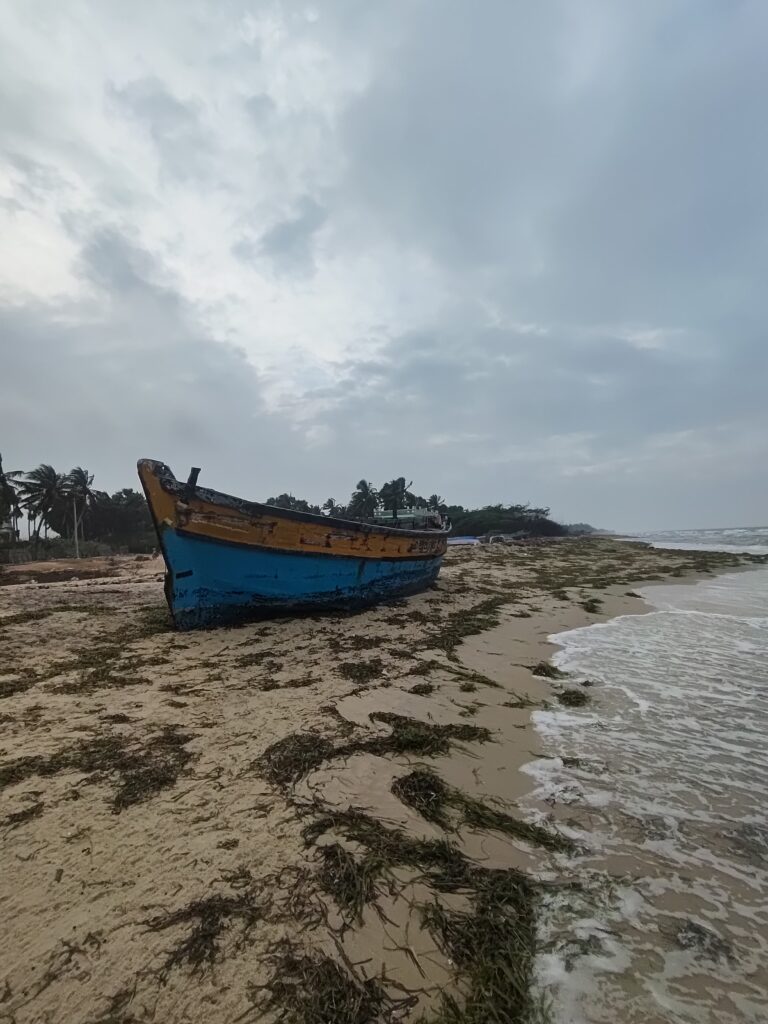
Fishing is the backbone of Uchippuli’s economy. Many families depend directly on the sea for their survival. Fishermen set out early in the morning or late at night in small boats, relying on traditional knowledge of tides, wind patterns, and fish behavior.
Their livelihood, however, is not without challenges. Unpredictable weather, declining fish populations, and limited access to modern equipment affect income stability. Despite this, fishing remains a deeply respected and culturally significant occupation, passed down through generations.
Fish markets in nearby towns and local trading networks help sustain the economy, with women often participating in selling and processing fish, adding another layer to the village’s economic fabric.
Palm Leaf Craft Tradition
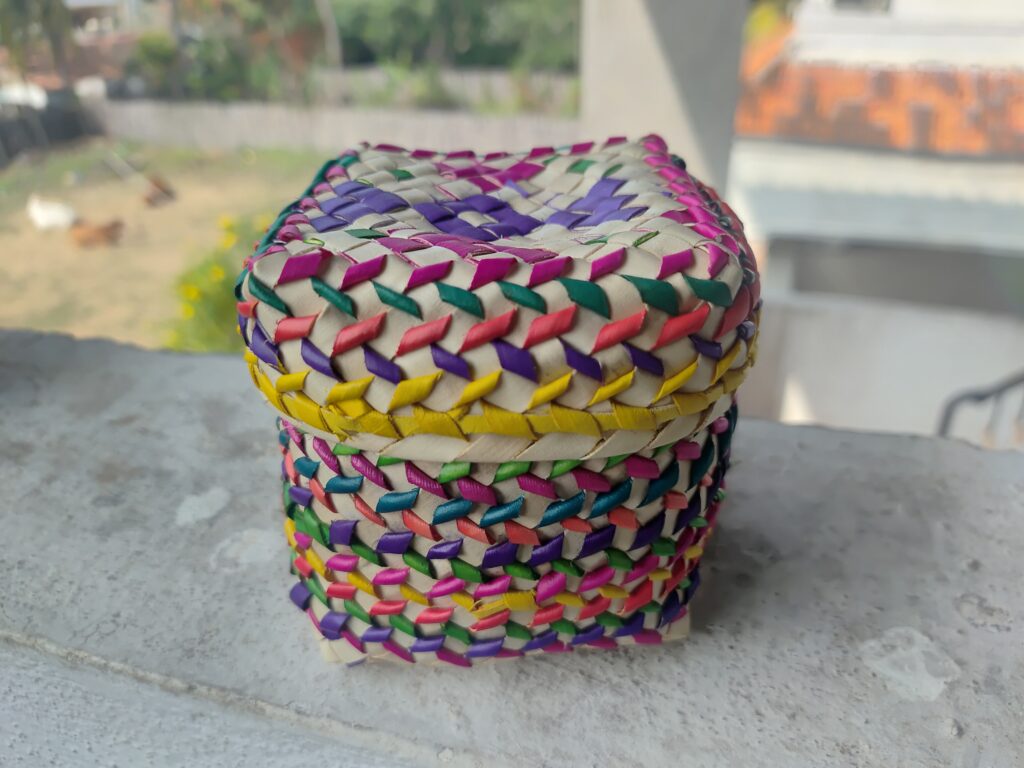
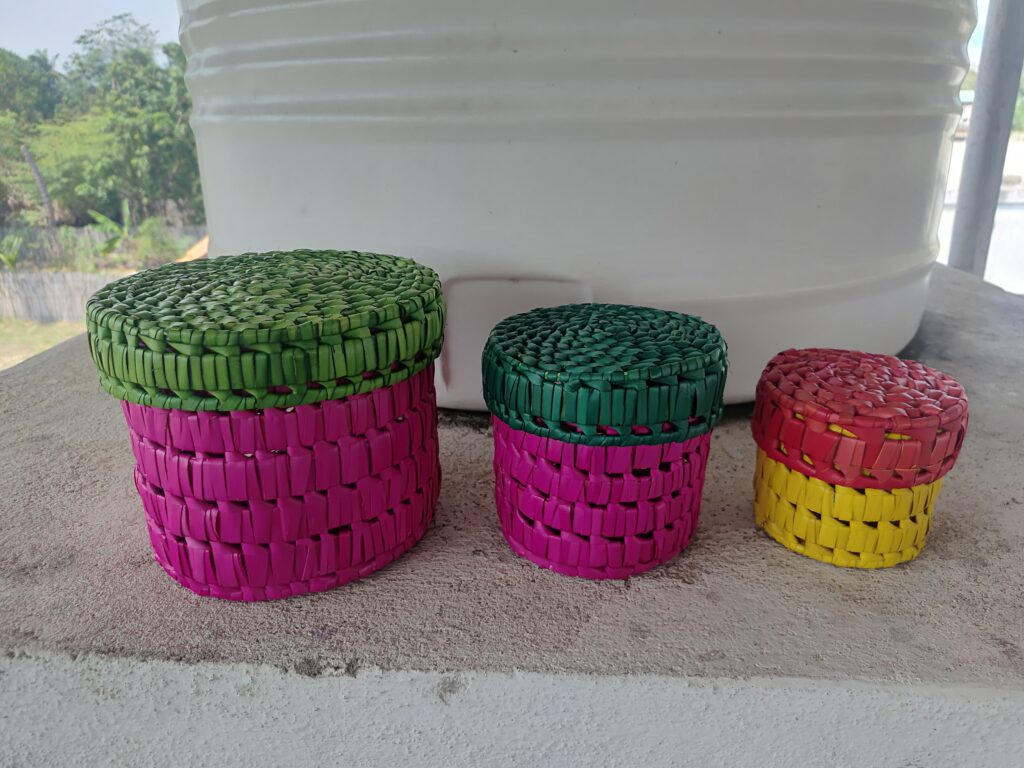
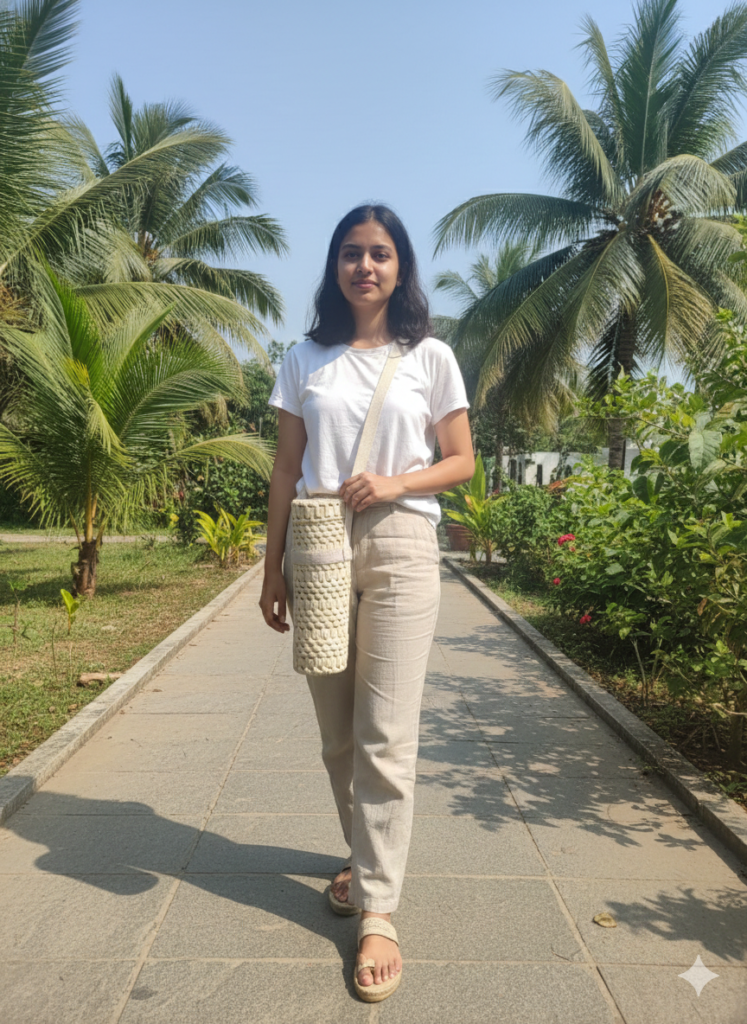
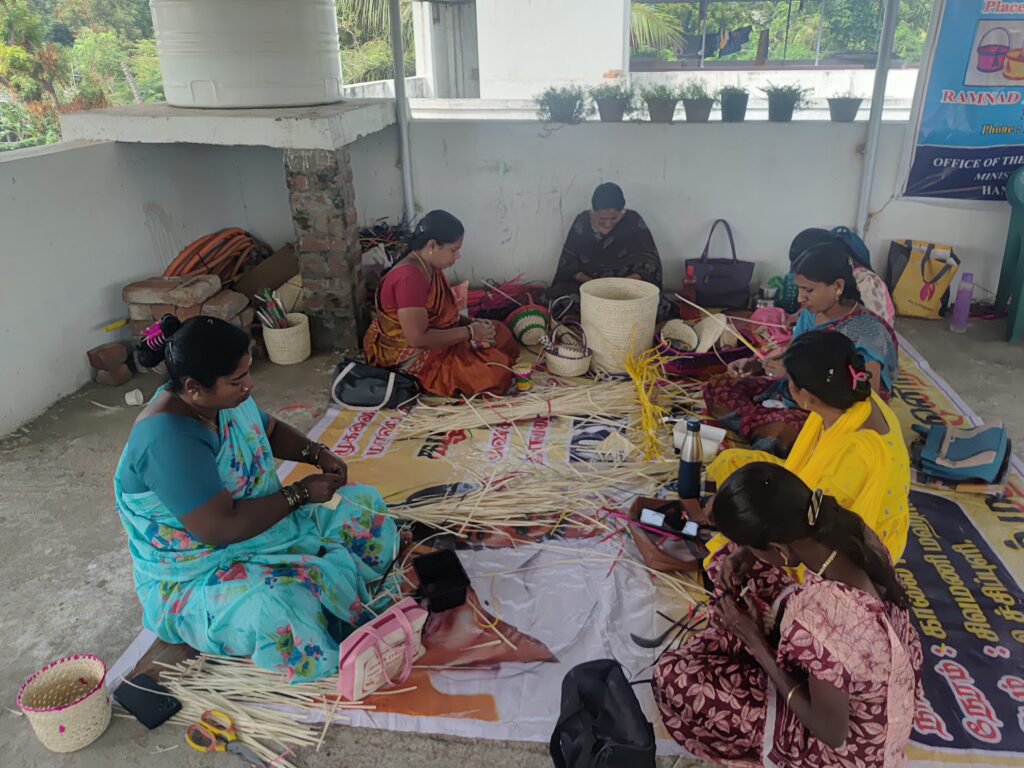
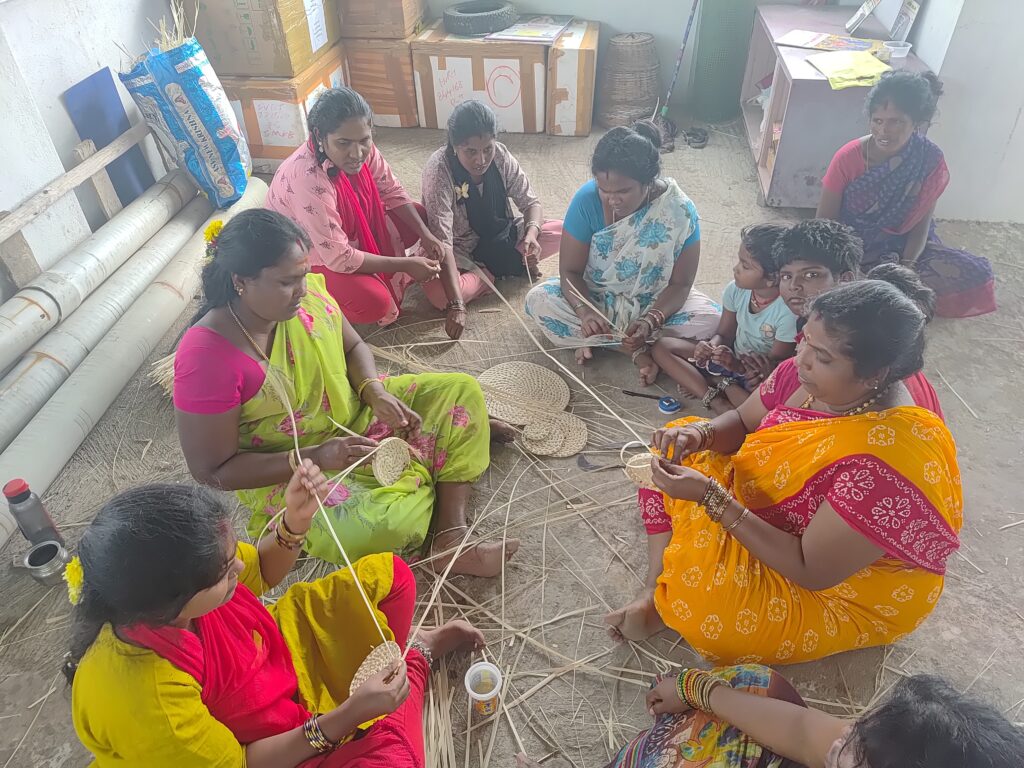
One of the most distinctive aspects of Uchippuli is its rich tradition of palm leaf craft. Using dried leaves from palm trees, artisans create a wide range of products such as baskets, mats, storage boxes, hand fans, and decorative items.
This craft is deeply rooted in sustainability. The raw material—palm leaves—is natural, biodegradable, and locally available, making the craft environmentally friendly. The process involves drying, cutting, dyeing, and weaving the leaves into intricate patterns, showcasing both skill and creativity.
Palm leaf craft is not just an occupation; it is a cultural expression that reflects the identity and heritage of the village.
Women Empowerment through Craft
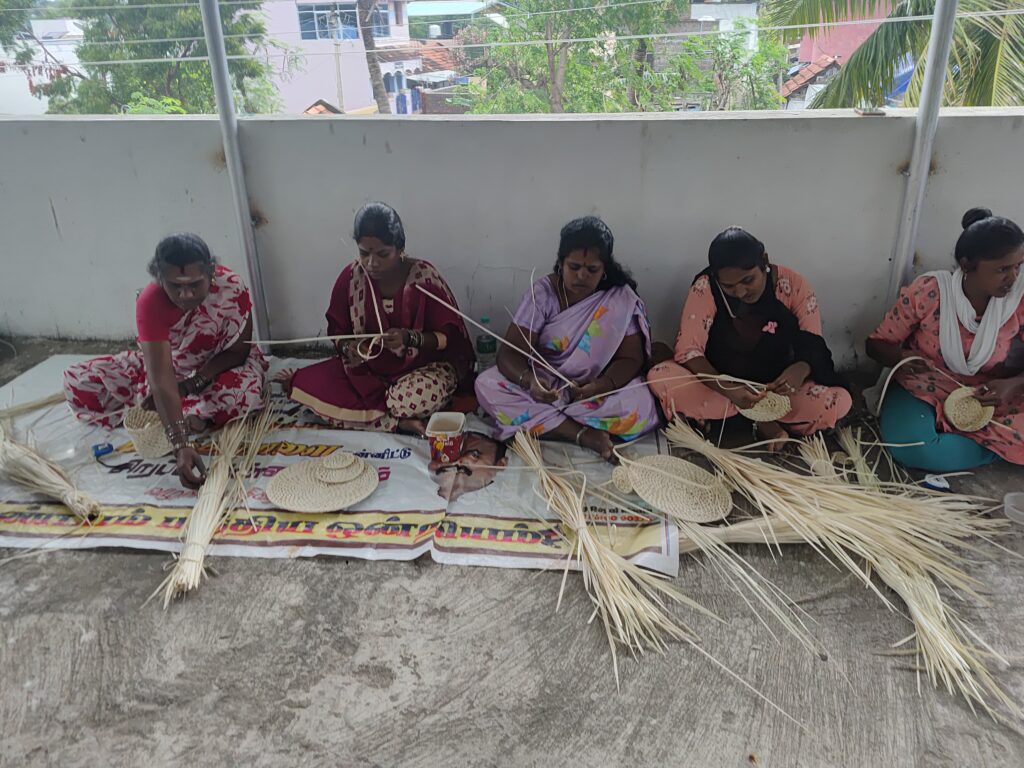
Palm leaf craft plays a significant role in empowering women in Uchippuli. Many women in the village are actively involved in this craft, often working from their homes while managing household responsibilities.
This engagement provides them with:
- Financial independence – Women earn their own income, contributing to household expenses.
- Skill development – Craftsmanship enhances creativity and technical ability.
- Social recognition – Their work is valued in local and external markets.
Self-help groups and small cooperatives often support these women by providing training, raw materials, and access to markets. In many cases, women become entrepreneurs, managing production and sales, which boosts their confidence and decision-making power within the family and community.
Economic and Cultural Significance
The combination of fishing and palm leaf craft creates a balanced livelihood system in Uchippuli. While fishing depends on natural conditions, craft offers a more stable and supplementary income, especially during off-seasons.
Culturally, the craft preserves traditional knowledge and techniques, ensuring that younger generations remain connected to their heritage. It also has the potential to attract tourism and design innovation, creating new opportunities for growth.
Challenges and Future Possibilities
Despite its strengths, Uchippuli faces several challenges:
- Limited market access for handcrafted products
- Competition from machine-made goods
- Lack of design innovation and branding
- Climate change impacting fishing activities
However, the future holds promising possibilities:
- Design intervention to modernize products while preserving tradition
- Digital platforms to expand market reach
- Government and NGO support for training and funding
- Sustainable tourism highlighting craft and coastal culture
Conclusion
Uchippuli stands as a powerful example of how traditional livelihoods and crafts can coexist and support a community. The sea sustains the fishermen, while palm leaf craft uplifts and empowers women, creating a balanced and resilient village economy.
By nurturing both its natural and cultural resources, Uchippuli has the potential to grow as a model of sustainable rural development, where tradition meets innovation and community strength drives progress