
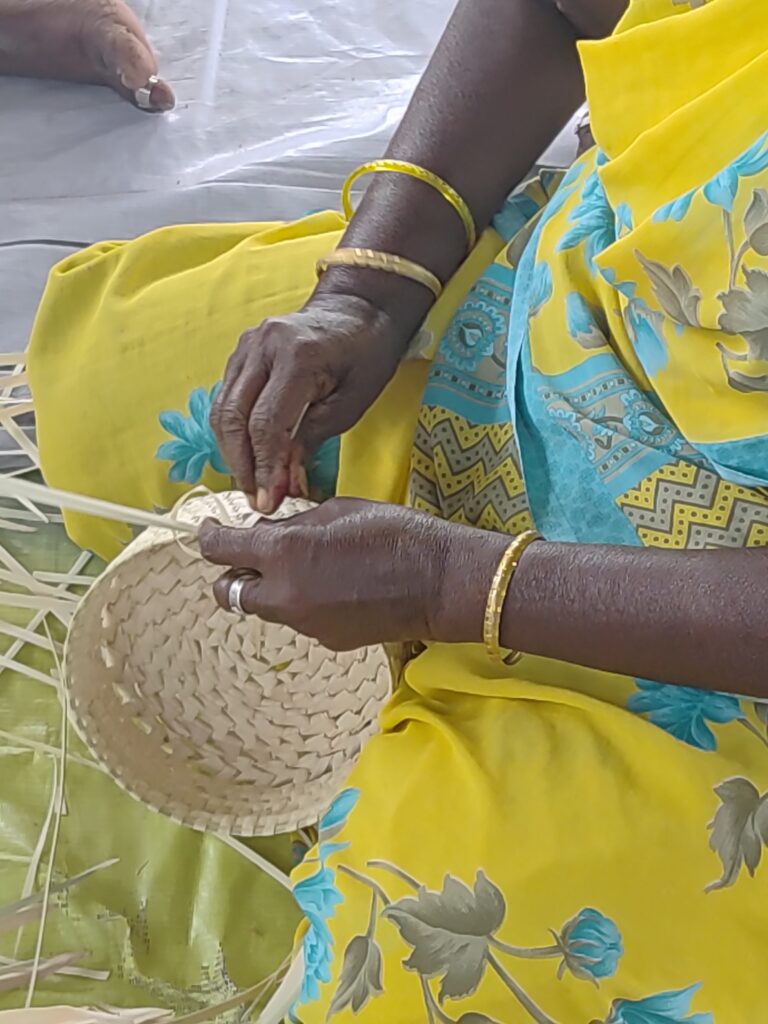
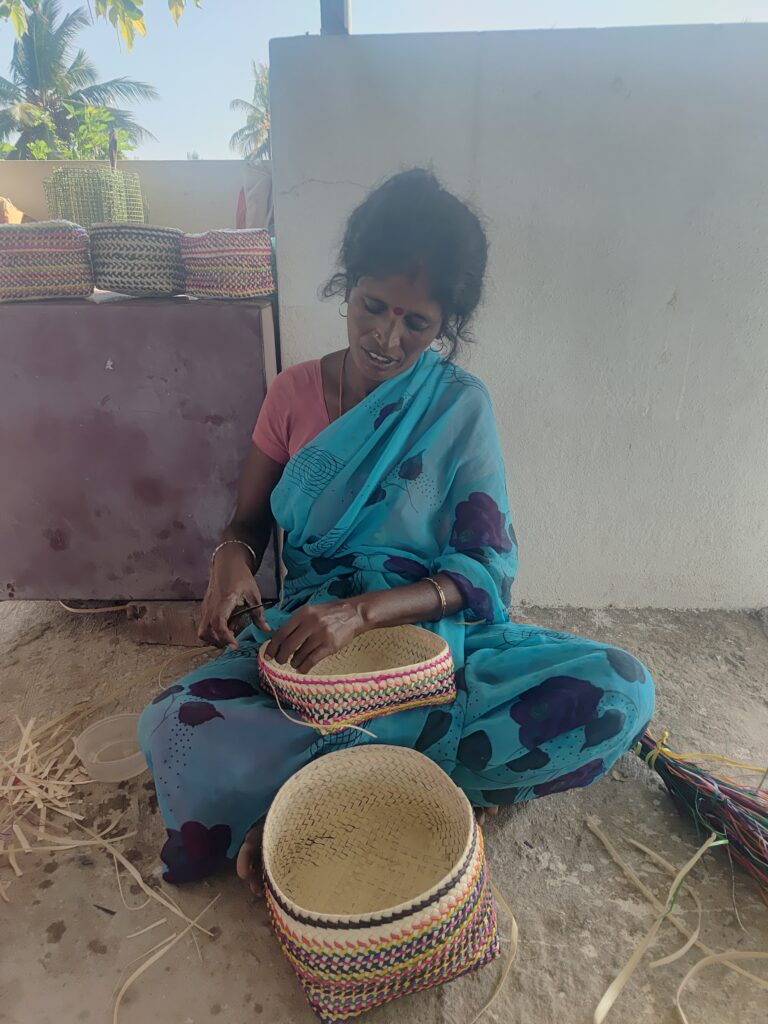
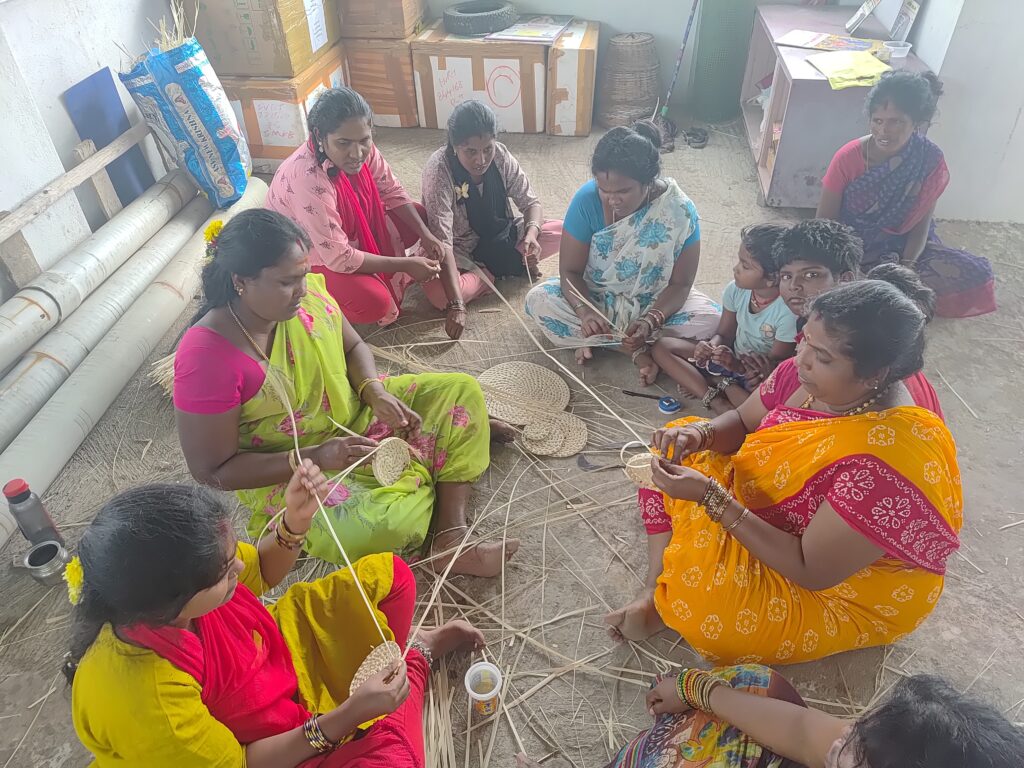
In the realm of traditional crafts, few materials capture the essence of sustainability and versatility as vividly as palm leaves. Palm leaf craft is not merely an artistry rooted in manual skill; it is a vibrant expression of cultural heritage, community identity, and economic vitality. This blog post delves into the social, cultural, and economic importance of palm leaf craft, shining a light on an activity that continues to thrive in various regions around the world.
Cultural Significance
The use of palm leaves in crafting dates back centuries, embedded in the traditions of various cultures. From India to Southeast Asia and Africa, artisans employ palm leaves to create an array of functional and decorative items, including baskets, mats, hats, and intricate artwork. Each piece reflects the unique cultural narratives and values of the community it originates from.
Palm leaf crafts are often intertwined with local rituals and festivals. In some cultures, items crafted from palm leaves are used in ceremonies, symbolizing prosperity and sustainability. The process of making these crafts is usually a communal effort, where knowledge is passed down through generations, thereby fostering a strong community spirit and preserving cultural identities.
Social Impact
The practice of palm leaf craft also serves as a vehicle for empowerment and social cohesion. It provides opportunities for marginalized groups, particularly women and rural communities, to engage in income-generating activities. By cultivating skills in palm leaf crafting, these individuals can elevate their economic standing while maintaining cultural ties.
Moreover, the cooperative nature of palm leaf crafting initiatives strengthens social bonds and encourages collaboration among artisans. They often work together to share resources, market their products, and advocate for better working conditions. This collective approach not only enhances the quality of craftsmanship but also creates a support system that reinforces their cultural and social networks.
Economic Importance
The economic dimensions of palm leaf craft cannot be overstated. As the demand for sustainable and eco-friendly goods rises, palm leaf products are increasingly sought after both domestically and internationally. Artisans are finding new markets for their crafts, capitalizing on the global shift towards sustainability.
Additionally, palm leaf craft is a pathway for entrepreneurship. Local artisans are beginning to establish brands and collaborate with designers and retailers, thus expanding their reach and increasing profits. Government and non-governmental organizations are also recognizing the potential of this craft and are providing support through training programs, funding for materials, and marketing assistance.
The economic impact of palm leaf craft extends to tourism as well, with cultural tourism gaining traction. Visitors are drawn to locations where they can witness the crafting process firsthand, thereby creating a source of income for local communities. This symbiotic relationship between craftsmanship and tourism highlights the importance of preserving traditional arts as a means of economic development.
Conclusion
In summary, palm leaf craft embodies a rich tapestry of cultural significance, social empowerment, and economic opportunity. As we aim to create a sustainable future, preserving and promoting traditional crafts like those made from palm leaves becomes increasingly vital. It is essential to support artisans and this age-old craft, ensuring that future generations can enjoy both the cultural heritage and economic benefits it offers.
As individuals and communities, we must recognize the value inherent in these traditions and work together to keep them alive for years to come. The art of palm leaf crafting is not just about the product; it is about preserving a way of life, fostering community, and contributing to a sustainable economy. Let us celebrate and support this remarkable craft, for it is a true reflection of our shared human experience.